
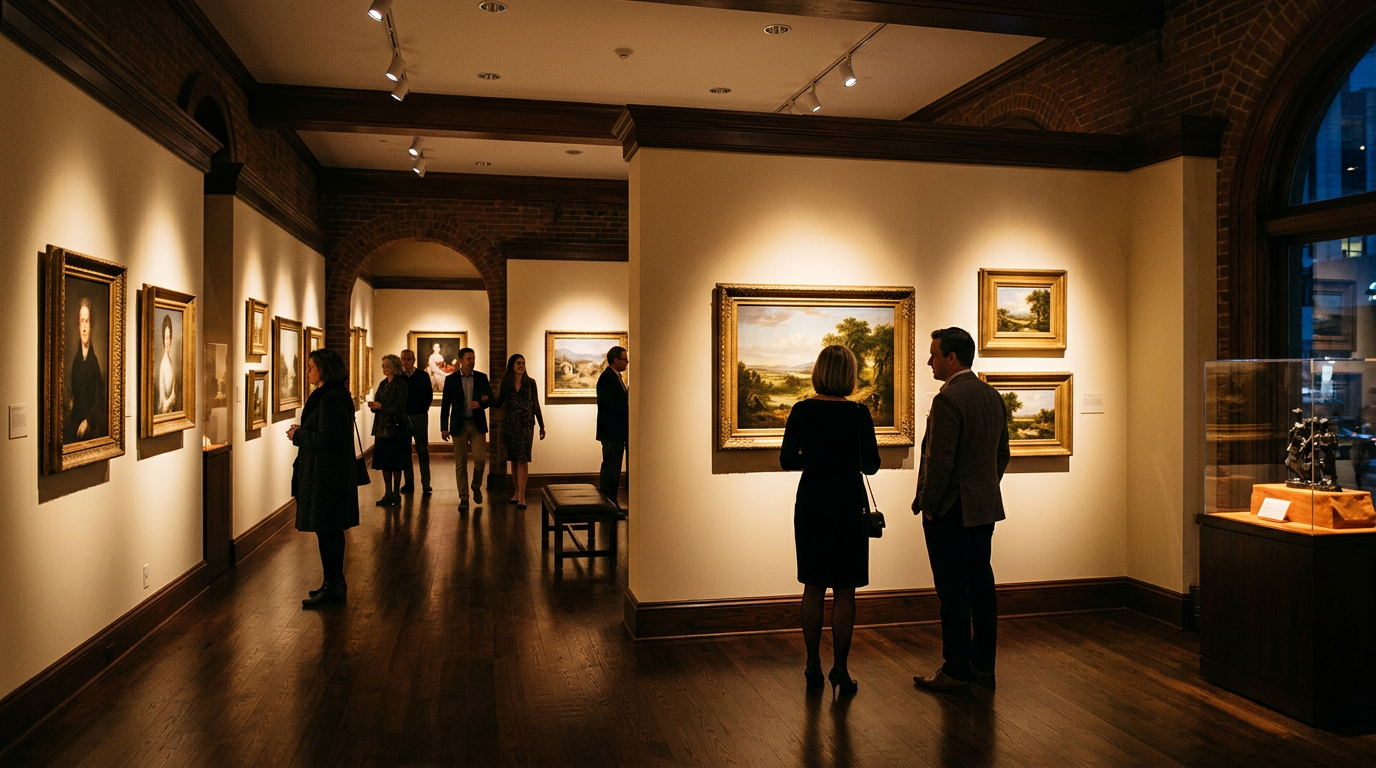
The late-night museum format is spreading beyond major capitals. Smaller institutions are extending selected weekday hours to reach commuters, students, and residents with limited daytime flexibility.
For many visitors, timing is the main barrier to attendance. A two-hour evening window can open access for people who rarely have free weekend afternoons.
Programming often shifts after dark. Short curator talks, music, and guided tours help create a social atmosphere that differs from traditional daytime visits.
The economics are delicate. Security, staffing, and utilities do not shrink because a venue is small, so scheduling and partnerships become crucial to sustainability.
Some museums collaborate with local cafes or bookstores. These partnerships improve the visitor experience and create shared incentives to promote recurring evening events.
Crowds also change character at night. Groups are often smaller, dwell time is longer, and conversations around exhibits can become more reflective and less hurried.
Accessibility planning remains essential. Evening programs need reliable transport options, clear lighting around entrances, and pricing policies that keep visits affordable.
Volunteer-led institutions can benefit particularly from predictable patterns. Monthly or biweekly late openings are easier to staff consistently than sporadic special events.
Evaluation matters as much as enthusiasm. Successful museums track repeat attendance, visitor feedback, and spending patterns rather than relying only on one busy launch night.
Not every trial becomes permanent, and that is normal. Experiments help institutions identify what fits local habits and where small adjustments improve turnout.
The initiatives that last usually treat evening access as a steady service, not a one-off stunt. Over time, that consistency helps museums become a regular part of weekday civic life.