
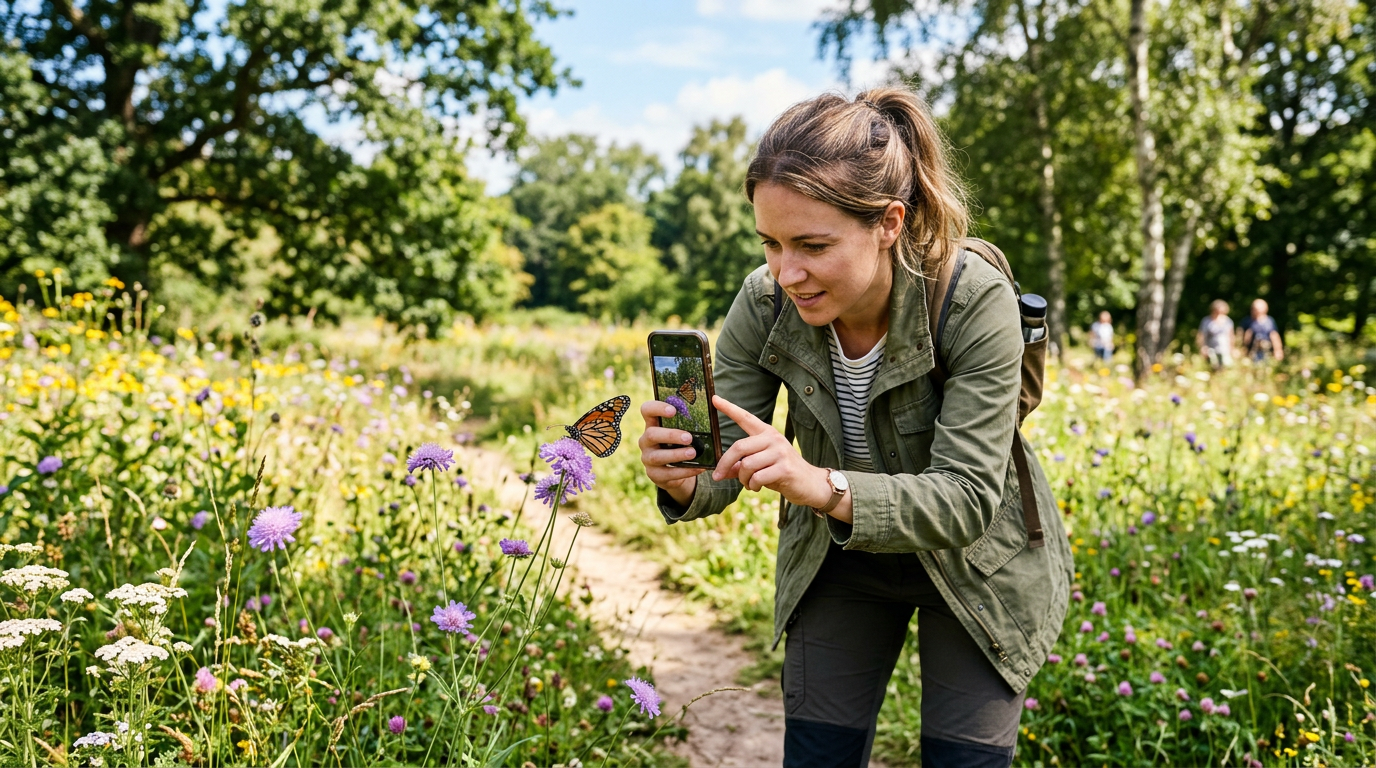
Nature observation apps work best when they are simple: take a photo, suggest an identification, and let users confirm or refine records with minimal friction.
These tools expand biodiversity monitoring beyond professional surveys. Thousands of local observations can reveal migration timing, species range changes, and seasonal patterns.
Data quality remains important. Effective platforms encourage clear photos, location accuracy, and confidence ratings so researchers can filter records appropriately.
Community moderation improves reliability. Experienced users often review new submissions, helping beginners learn identification skills and reducing misclassified entries.
Gamification can increase participation, but design needs balance. Reward systems that prioritize volume alone may create noisy data, while accuracy-focused prompts improve usefulness.
Schools and neighborhood groups increasingly use these apps for local projects. Short observation walks can introduce ecology concepts through direct participation rather than abstract lectures.
Researchers value long-term consistency as much as high totals. Regular observations from the same areas over several years are especially useful for detecting gradual change.
Privacy and ethics should be considered, particularly for sensitive species. Good platforms can obscure exact locations to reduce disturbance or illegal collection risk.
For residents, participation can strengthen place awareness. People often notice local birds, insects, and plants more carefully once they begin recording sightings.
Shared observation can also support constructive dialogue. Communities with different views may still agree on direct evidence gathered in their own parks and streets.
Citizen science apps do not replace professional fieldwork, but they add valuable coverage. When designed thoughtfully, they turn everyday curiosity into data with real ecological value.