
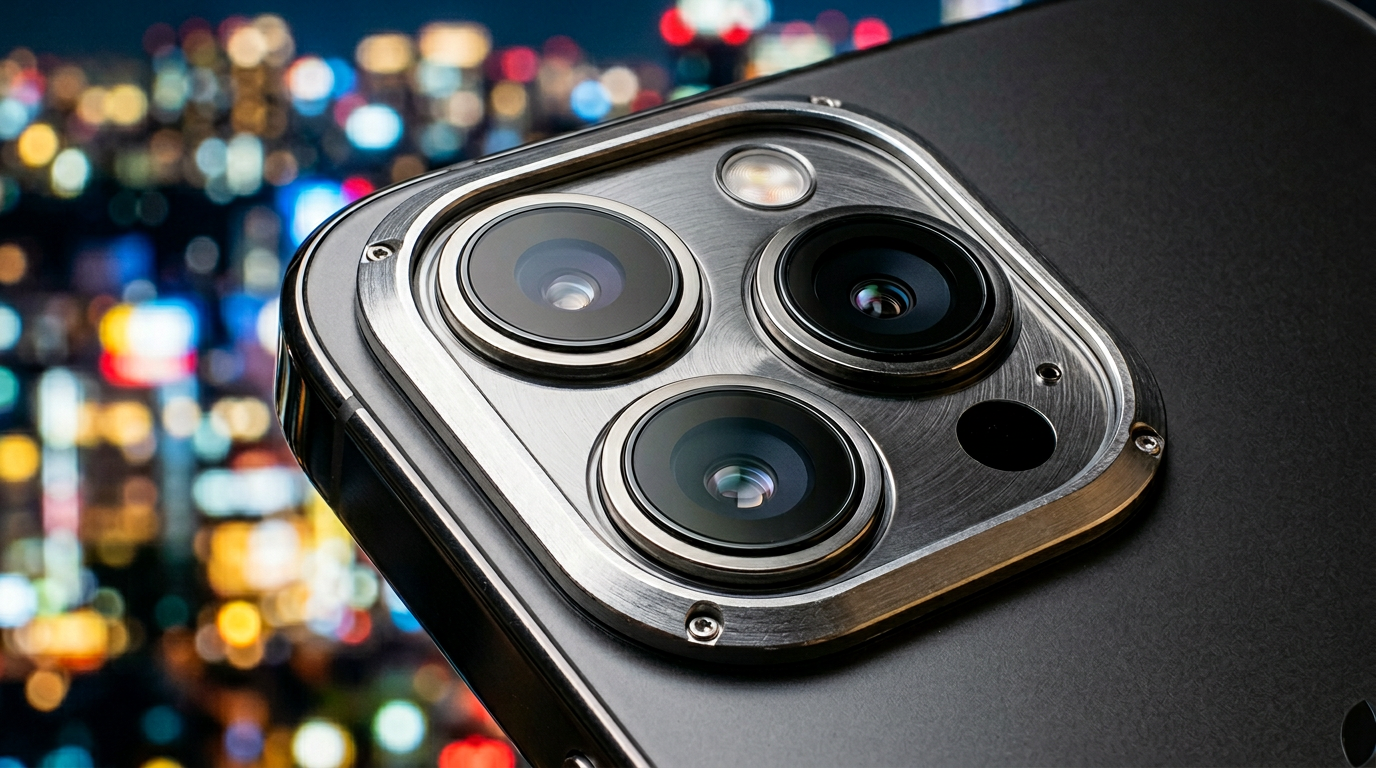
On paper, some phone sensors look unchanged year to year. In practice, the imaging pipeline behind them keeps improving in ways that users notice immediately.
Computational photography now combines multiple exposures in milliseconds. Phones align frames, reduce noise, and preserve edges before you even open the preview.
Night modes are a clear example. A handheld shot can merge short bursts, reject motion blur, and recover shadows that older phones would render as grainy darkness.
Dynamic range has improved too. Bright skies and shaded streets can appear balanced in one shot, reducing the need for manual edits after capture.
Color rendering is also more consistent across lenses. Ultra-wide and main cameras increasingly produce similar tones, so switching focal lengths feels less disruptive.
Portrait modes use depth sensors, dual-camera geometry, and software models together. They are not perfect, but edge detection around hair and glasses has become noticeably better.
Video stabilization continues to advance quietly. Combined optical and electronic systems now smooth walking footage enough for casual travel clips without dedicated equipment.
Auto focus speed and low-light tracking improved for moving subjects. Parents, pet owners, and event visitors benefit because fewer shots are lost to focus lag.
These upgrades matter because they reduce friction. Better defaults mean users can capture everyday moments quickly, without learning advanced settings first.
Professional cameras still lead in control and sensor size, but phone cameras now cover more real-life scenarios with reliable results than they did a few years ago.
The result is not always art, yet it is often usable and memorable. For most people, that practical reliability is exactly why a phone camera matters.